
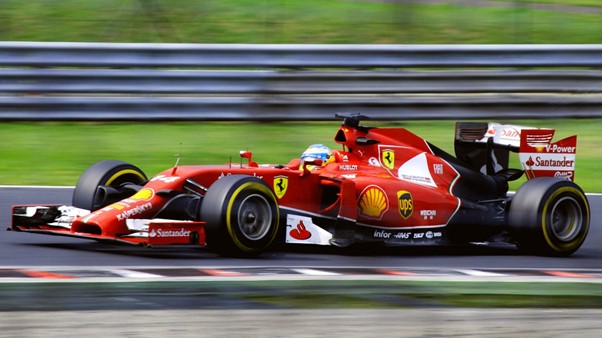
Unseen Racers: The Riveting World of Formula 1 Logistics
In the mesmeric realm of Formula 1 motorsports, what captivates the masses is the
glamour of speed, the roar of engines, and the display of driver virtuosity on the asphalt. But a
pivotal episode of this spectacle unfolds behind the scenes – a virtually unnoticed yet critical
domain
of logistics. This sector is the backbone that ensures the mechanical steeds and their riders arrive
at
each starting grid, ready for the high-octane ballet that is a Grand Prix race.
Dive in with us as we uncover the unseen mastery and ballet of logistics that keeps Formula 1 racing
at
its peak. Imagine a world where top racing teams like Scuderia Ferrari are not just pioneers on the
track but also giants in the business arena, possessing the strategic clout of significant tech
companies with valuations soaring to a staggering $1.3 billion. This isn't merely a number; it's an
engine that fuels the transportation of an arsenal of machinery and critical spare parts – a
difference-maker during the unpredictability of race day.
The Formula 1 calendar is a testament to the sport's international allure, with an arduous 21-race
schedule that sweeps through continents like a grand caravan. Unsurprisingly, most teams find a home
in
Europe – the pulsating heart of Formula 1, providing proximity to the majority of the circuits. This
geographic concentration streamlines the logistical process for the European legs of the race, where
trucks play a significant in moving not only race cars but also opulent mobile establishments.
Imagine
traveling palaces on wheels that unfold to reveal floors of hospitality and precision engineering
for
guests and crew alike.
Nonetheless, it is during the relentless back-to-back race weekends that the mettle of these
logistical teams is truly tested. Envision the scenario of traversing nearly a thousand miles from
one European race to the next, or even more daunting, the leap from Europe to the far-flung corners
of the globe – the 'flyaway races.' Sea kits – a robust logistical strategy – are at the forefront
here, moving bulky and less sensitive items across oceans well in advance, ensuring each race has
the necessary equipment on standby.
Recall the intricate transfer from the scorching deserts of Bahrain to the sprawling expanses of
China. This is where synchronized planning, relentless energy, and precision reign. Gear is snappily
sorted and stowed away into containers, and by the time night fades, every piece is embarked on its
next journey, with chartered cargo planes breathing life into the seamless continuation of the
global F1 tour.
Imagine the whirlwind of activity up to and beyond race days and marvel at the commitment of the
logistics maestros – the true orchestrators – who ensure that the meticulously planned season
unfolds without a hitch. This recurring logistical dance showcases the formidable sophistication and
capability inherent within these racing teams.
Delving into the engine room of Formula 1's logistic framework uncovers a riveting subculture—one as
vital to the sport as the drivers and their machines. It serves as a powerful reminder that the
spectacle of motorsport relies just as much on those who maneuver logistics in the shadows as it
does on the luminaries commanding the wheel.
So, the next time you witness the glossy spectacle of a Grand Prix weekend, spare a thought for the
unseen heroes of logistics, the steadfast operatives who, away from the limelight, keep the wheels
of this sporting leviathan in perpetual motion.